Tattoo Removal in Montreal: Laser, Fading or Cover-up?
Thinking about tattoo removal in Montreal? How laser removal works, how many sessions it takes, when a cover-up is the better option, and how to choose.

Contents
Regretting a tattoo? You have three real options in Montreal: remove it completely with laser, fade it with a few laser sessions and cover it with a new design, or cover it up directly with a darker, larger tattoo. The right choice depends on the old tattoo’s size, colour and darkness, and on whether you want bare skin or a better tattoo. This guide walks you through each option, from a tattoo studio that has handled cover-ups in Montreal’s Old Port since 2009.
Quick answer: removal or cover-up?
| Your situation | Best option |
|---|---|
| You want bare skin, no tattoo at all | Full laser removal |
| Old tattoo is dark, large or dense | Laser fading, then a cover-up |
| Old tattoo is small, light or faded | Direct cover-up |
| You like the idea, not the execution | Rework or cover-up by a skilled artist |
| Name or text you want gone fast | Cover-up (or fading first if the lines are heavy) |
How laser tattoo removal works
Laser removal is the most common method today. The laser sends very short pulses of light into the skin; the ink particles absorb that energy and break into smaller fragments, which your immune system then gradually clears.
- Several sessions: most tattoos need multiple treatments, spaced several weeks apart so the skin can heal and the body can clear the ink.
- Results vary: black ink usually responds best. Some colours, like light blues, greens and yellows, can be more stubborn.
- What affects the number of sessions: ink colour and density, the tattoo’s age, its location on the body (areas far from the heart often take longer), your skin and your general health.
- What it feels like: many people compare it to a rubber band snapping on the skin. Clinics often use cooling to make it more comfortable.
Other methods
- Surgical excision: a doctor cuts out the tattooed skin and stitches the wound. Only suitable for small tattoos, and it leaves a scar.
- Dermabrasion: sanding down the top layers of skin. Much less common today, with a higher risk of scarring.
- Creams and “at-home” removal: be very cautious. They don’t reach the ink in the dermis and can irritate or scar the skin.
How to choose a tattoo removal clinic in Montreal
- Ask who performs the treatment and what training they have, and whether a doctor supervises.
- Ask which laser they use and whether it treats the colours in your tattoo.
- Ask for a realistic plan: estimated number of sessions, spacing and price per session.
- Look at before-and-after photos of tattoos similar to yours.
- Get a skin assessment first, especially if you have darker skin, a history of scarring or a recent tan.
Planning a cover-up afterwards? Tell the clinic. You often only need partial fading, which means fewer sessions than full removal.
Cover-up: turning an old tattoo into a new one
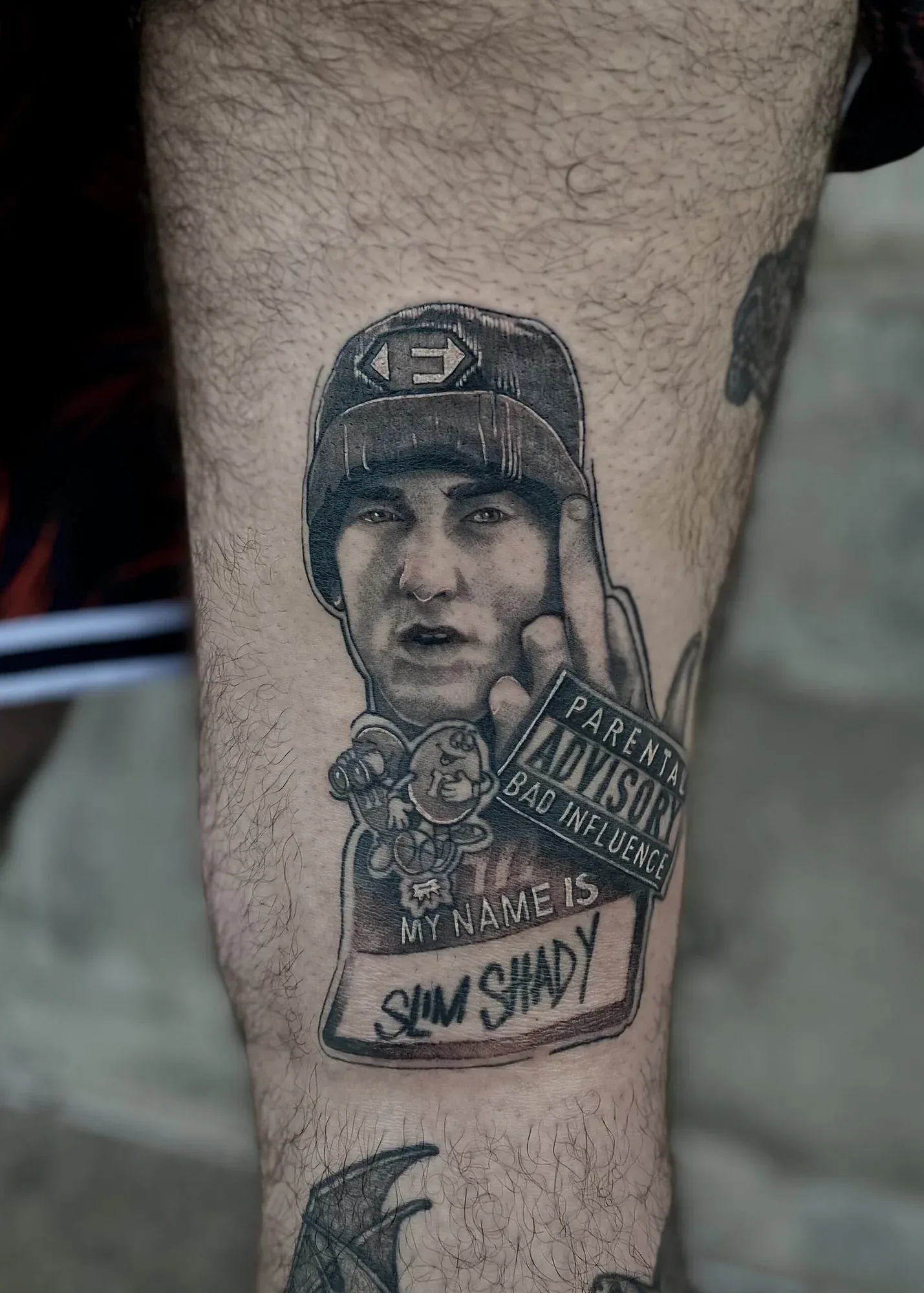
A cover-up is a new tattoo designed to hide an old one. It isn’t just “tattooing on top”: the artist builds the new design around the dark areas of the old one, using shading, texture and placement so the old lines disappear.
What makes a good cover-up
- Bigger and darker: a cover-up is usually larger than the original and uses darker values to hide it.
- The right style: blackwork, dark realism, dense neo-traditional and heavily shaded designs hide old ink best. Very light fine line rarely works as a cover-up.
- An honest assessment: a good artist will tell you if your tattoo needs a few laser sessions first.
Cover-ups at Oly Anger Tattoo
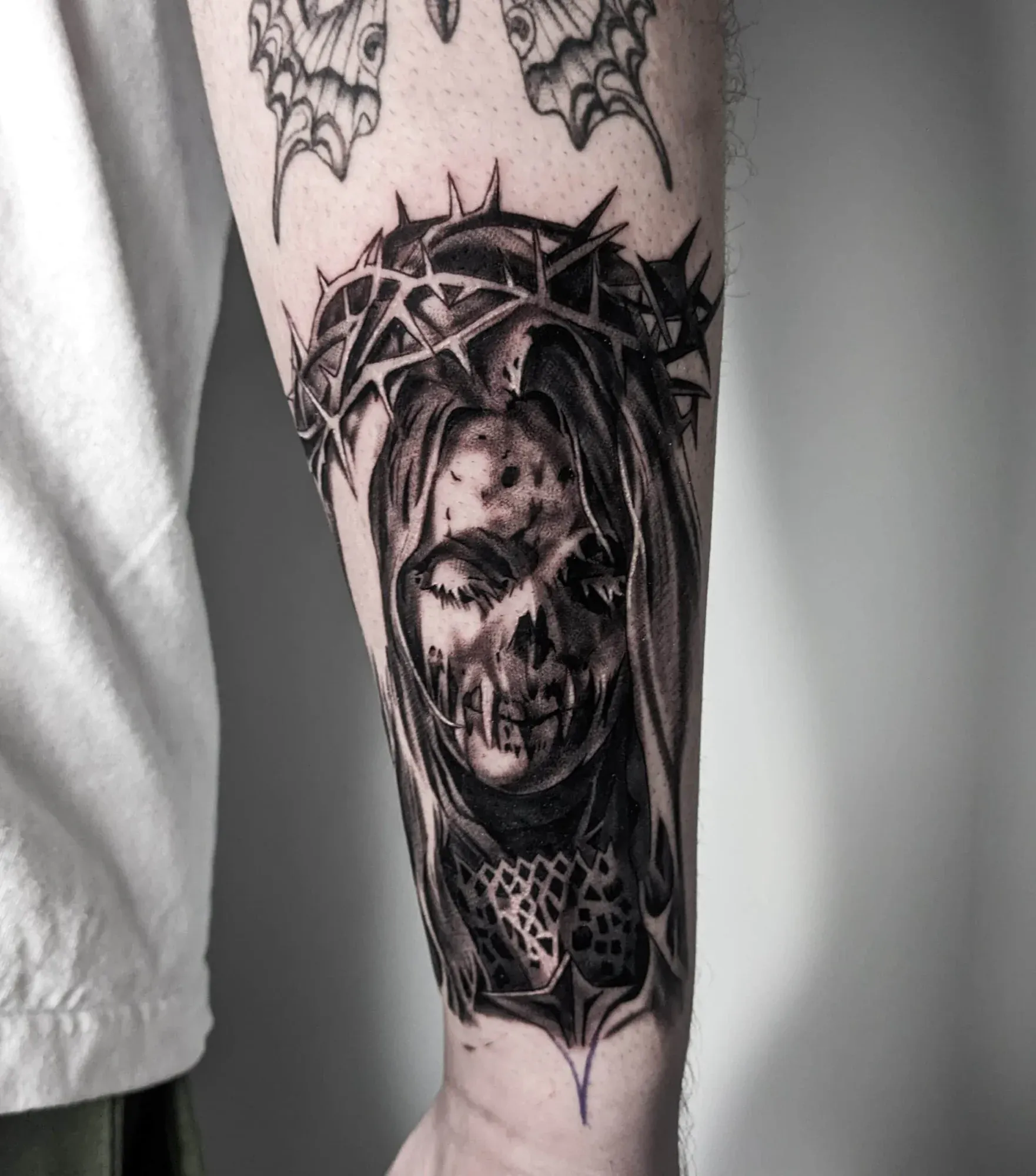
Our artists regularly turn old tattoos into new pieces. Chele specialises in blackwork and has a soft spot for small cover-up projects. For larger pieces, our realism and blackwork artists can build a darker design that absorbs the old one. Book a consultation with a photo of your current tattoo, and we’ll tell you honestly whether a direct cover-up is possible or whether fading first will give you a better result.
After laser: aftercare basics
- Keep the area clean and follow your clinic’s instructions.
- Don’t pick at blisters or scabs.
- Avoid sun exposure on the treated area, and use SPF 50+ once healed.
- Wait until the skin has fully healed before a cover-up session. Your artist and clinic will confirm the timing.
FAQ: tattoo removal in Montreal
How many sessions does it take to remove a tattoo?
It depends on the colour, density, age and location of the tattoo. Most tattoos need several sessions spaced weeks apart. A clinic can give you an estimate after looking at your tattoo.
How much does tattoo removal cost in Montreal?
Clinics usually charge per session, based on the size of the area treated. Ask for the price per session and the estimated number of sessions to know your total budget.
Is it cheaper to remove a tattoo or cover it up?
A direct cover-up is usually faster, since it’s done in one project instead of many laser sessions. If the old tattoo is very dark, combining a few fading sessions with a cover-up often gives the best result.
Can any tattoo be covered up?
Many can, but not all directly. Very dark, large or recent tattoos may need fading first. Send us a photo during your consultation for an honest assessment.
Does Oly Anger Tattoo do cover-ups?
Yes. Book a consultation with a photo of the tattoo you want to cover, and we’ll match you with the right artist for the job.
Book a cover-up consultation
Oly Anger Tattoo is at 9 de la Commune St. West, in Montreal’s Old Port. Book a consultation and attach a photo of your current tattoo, or drop by the studio to talk to an artist. See also our Montreal tattoo guide and all our artists.
By the Oly Anger Tattoo team · Updated November 2, 2026